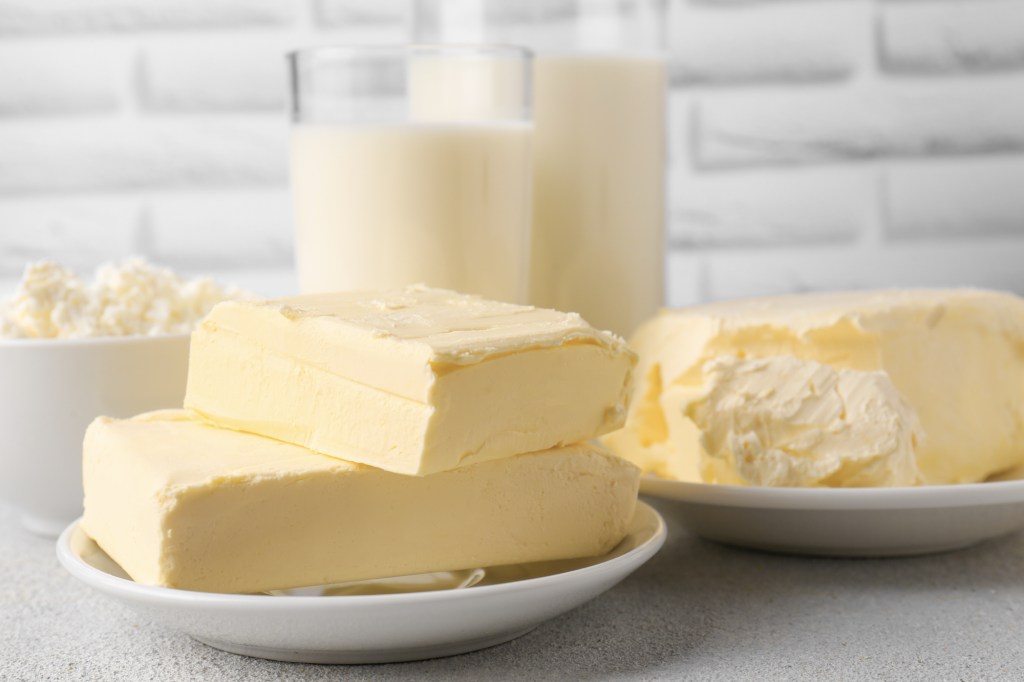
Butter has been a staple in kitchens worldwide for centuries. From spreading it on warm bread to using it in baking and cooking, butter adds richness, flavor, and texture to dishes. But have you ever considered making it yourself?
Homemade butter is fresher, richer, and free from unnecessary additives. It’s surprisingly easy to make with just one main ingredient—heavy cream—and a bit of patience. Whether you use a stand mixer, food processor, or even shake it by hand in a jar, you’ll end up with delicious, creamy butter in just a few minutes.
In this guide, we’ll cover everything you need to know about making butter at home, including its history, the science behind butter formation, various methods, flavor variations, troubleshooting, and creative ways to use it.
A Brief History of Butter
Butter has been around for thousands of years. The earliest records date back to 2000 BCE, when ancient civilizations, including the Sumerians, used churned milk to create butter.
During medieval times, butter became a highly prized commodity, particularly in Europe. By the 19th century, industrialization led to mass butter production, but many still prefer the homemade version for its superior flavor and purity.
Why Make Butter at Home?
1. Fewer Additives & Preservatives
Store-bought butter often contains preservatives and stabilizers. Homemade butter is pure and free from artificial ingredients.
2. Customizable Flavor
You can create salted, unsalted, herbed, spiced, or even sweet butter tailored to your preference.
3. Cost-Effective
High-quality butter can be expensive. Making it at home can be more affordable, especially if you buy heavy cream in bulk.
4. Fun & Satisfying
Churning butter is an enjoyable and rewarding kitchen experiment that kids and adults alike will love.
5. Richer, Creamier Taste
Freshly made butter tastes better than store-bought, with a richer mouthfeel and more pronounced creaminess.
The Science Behind Butter Making
Butter is created by agitating heavy cream until the fat molecules clump together, separating from the liquid (buttermilk).
When cream is whipped:
• Initially, it turns into whipped cream as air gets incorporated.
• As you continue beating, the fat molecules break apart and then start to reassemble into butter.
• The remaining liquid is buttermilk, which can be used for baking or cooking.
This transformation occurs because heavy cream contains at least 35% butterfat, which is necessary for butter formation.
How to Make Butter at Home
Ingredients:
• 2 cups heavy cream (preferably non-ultra-pasteurized for best flavor)
• ¼ teaspoon salt (optional, for salted butter)
Equipment:
• Stand mixer, food processor, or a mason jar with a lid
• Strainer or cheesecloth
• Cold water (for rinsing)
• Wooden spoon or spatula
Step-by-Step Instructions
Method 1: Using a Stand Mixer (Easiest Method)
1. Pour the Cream:
• Add the heavy cream to your mixer bowl.
2. Start Beating:
• Use the whisk or paddle attachment.
• Beat on medium-high speed for 5-10 minutes.
3. Watch for Changes:
• First, it turns into whipped cream.
• Continue beating, and it will start separating into butter and buttermilk.
4. Drain the Buttermilk:
• Pour off the buttermilk and save it for baking.
5. Wash the Butter:
• Rinse under cold water while pressing with a spatula.
• This step removes excess buttermilk, which helps prevent spoilage.
6. Add Salt (Optional):
• Mix in salt for a flavorful butter.
7. Shape & Store:
• Press into a container or shape into a ball.
• Store in the fridge for 2 weeks or freeze for longer storage.
Method 2: Using a Food Processor
Follow the same process as above, but use a food processor instead of a mixer. It typically takes 3-5 minutes.
Method 3: Shaking in a Mason Jar (Fun for Kids!)
1. Fill a jar halfway with heavy cream.
2. Seal the lid tightly and shake vigorously for 10-15 minutes.
3. Once butter forms, strain the buttermilk and rinse with cold water.
Flavor Variations
Savory Butter Flavors
• Garlic Herb Butter: Mix in minced garlic, parsley, and thyme.
• Chili Butter: Add chili flakes for a spicy kick.
• Lemon Dill Butter: Perfect for seafood, mix in lemon zest and chopped dill.
Sweet Butter Flavors
• Honey Cinnamon Butter: Blend with honey and cinnamon for a sweet spread.
• Maple Butter: Mix in maple syrup for a fall-inspired twist.
• Vanilla Butter: Add vanilla extract and powdered sugar for a dessert topping.
Common Mistakes & How to Fix Them
1. Butter Won’t Separate
• Cause: Not mixing long enough.
• Fix: Keep beating! It takes time.
2. Butter is Too Soft
• Cause: Warm room temperature.
• Fix: Rinse with ice-cold water to firm it up.
3. Butter Tastes Off
• Cause: Cream was old or ultra-pasteurized.
• Fix: Use fresh, high-fat cream.
4. Butter Has Too Much Liquid
• Cause: Insufficient washing.
• Fix: Rinse thoroughly to remove excess buttermilk.
Creative Ways to Use Homemade Butter
1. Cooking & Baking
• Use for flaky pie crusts, cookies, and pastries.
• Cook meats, vegetables, or pasta for extra richness.
2. Spreads & Dips
• Slather on warm toast, muffins, or cornbread.
• Serve flavored butter with steak or grilled vegetables.
3. Dairy-Free Alternatives
• If you’re lactose intolerant, try making ghee, which removes milk solids from butter.
Storing Homemade Butter
• Refrigeration: Lasts up to 2 weeks in an airtight container.
• Freezing: Wrap in parchment paper and freeze for 3-6 months.
• Ghee (Clarified Butter): Removing milk solids extends shelf life to several months at room temperature.
Making butter at home is easy, rewarding, and allows you to customize flavors exactly how you like. Whether you want classic salted butter, rich garlic herb butter, or a sweet honey cinnamon spread, the possibilities are endless.
So why not try making your own butter today? Once you do, you might never go back to store-bought again!
