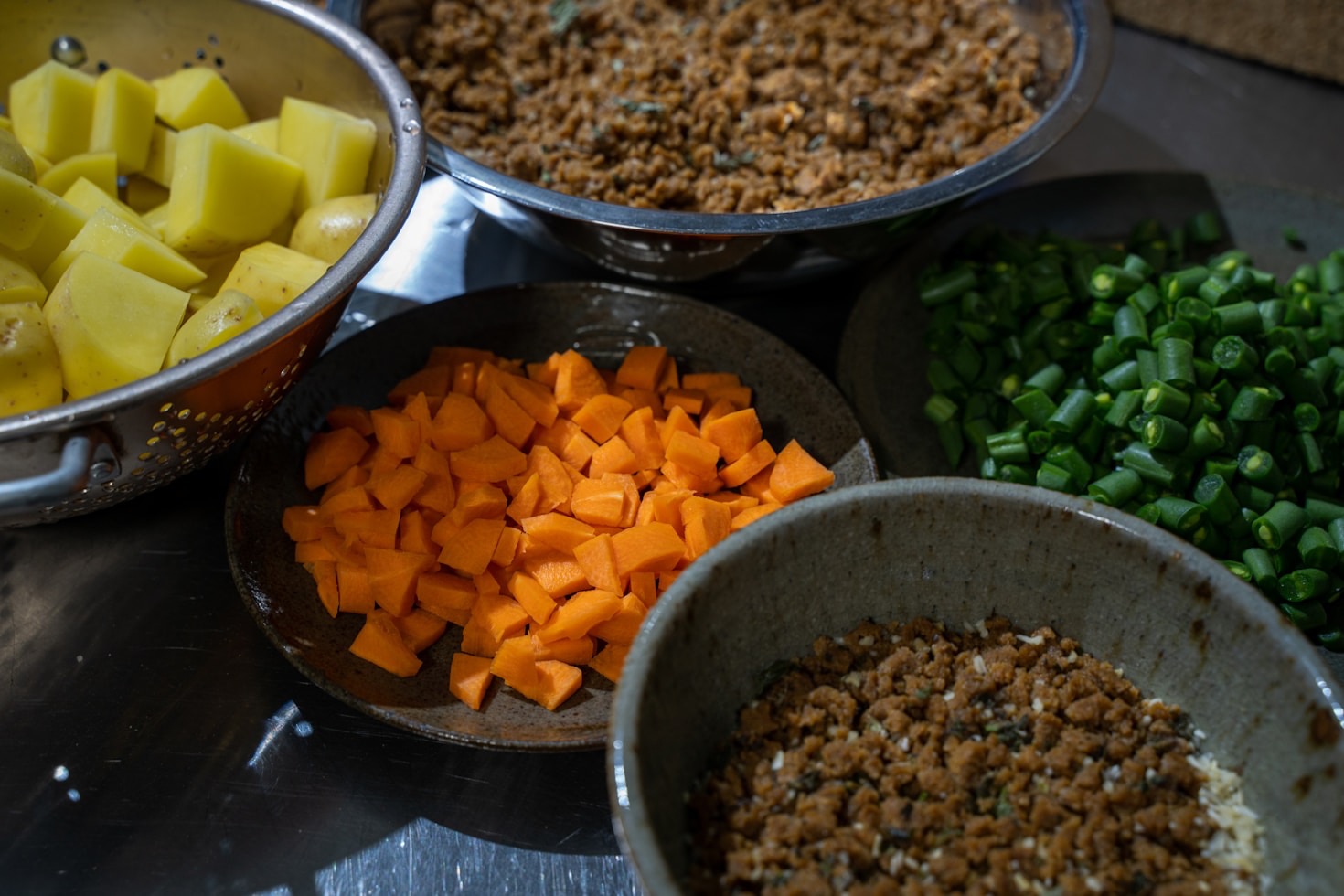
I can trace most of my favourite recipes back to two places: my father’s kitchen and the province I call home. That is where my palate was trained long before I ever stepped into a professional kitchen, long before I learned the language of mise en place and service timing. My father cooked with instinct, but there was nothing careless about it. He cooked with coconut milk the way other people use stock: as a base for comfort, richness, and depth. In our home, gata was not just an ingredient. It was a signature, a style, and a kind of love you could taste.

Where I come from, coconut milk makes sense. It belongs to the climate, the produce, and the way families cook when they want food to feel generous. It carries spice without shouting. It softens sharpness, rounds salt, and gives vegetables and seafood a silkiness that feels like home. When I think about why certain dishes became my favourites, I realise they are not favourites because they are famous. They are favourites because they remind me of that feeling: a pot simmering low, the aroma filling the house, and a flavour that tastes complete even before it reaches the table.
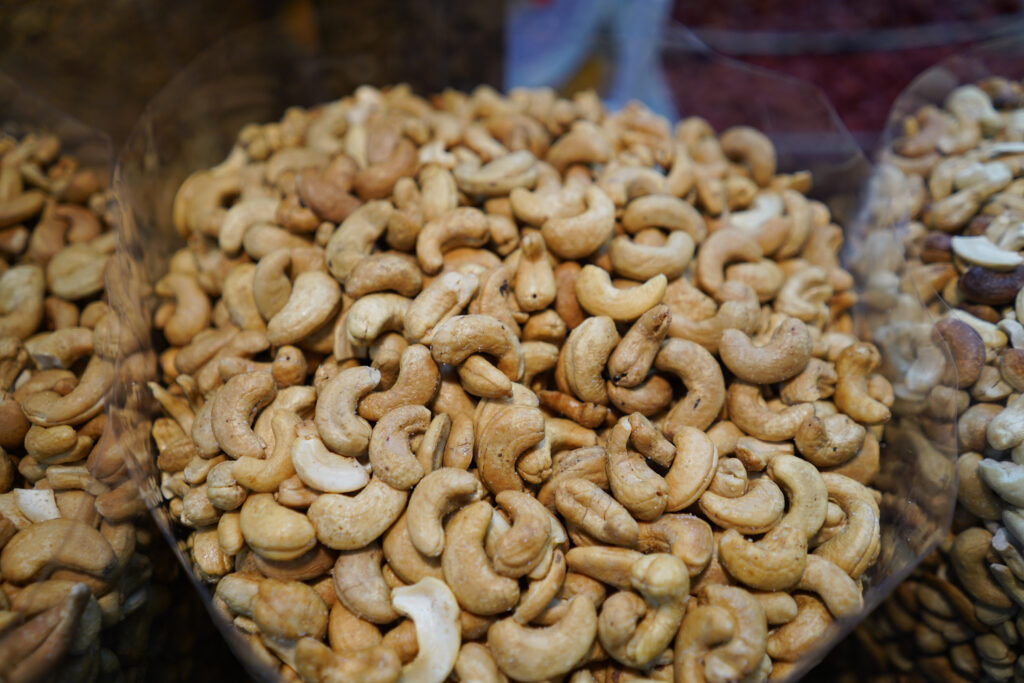
My province is also known for cashew nuts, and that detail matters more than people expect. Cashew is not only a snack. In a place where cashews are part of everyday life, you learn to respect their versatility. You taste them roasted and warm, you see them turned into sweets, you notice how they carry fat and aroma, and you understand how they can add texture and richness without heaviness. That influence stays with me. Even today, when I am building a dish, I often think in that same provincial rhythm: coconut milk for roundness, cashew for depth and texture, acidity to lift, and heat to keep the palate awake.
That is why I do not separate “comfort food” from “serious cooking.” To me, comfort food is serious. It is the first cuisine we learn. It becomes the reference point for everything else.
Some of my favourite recipes are favourites because they come from techniques that existed long before anyone gave them a modern label. Adobo is one of them. I love adobo not only for its flavour, but for its logic. It is a dish built to survive the tropics, built on vinegar and salt, and later shaped by the ingredients and tastes that came through trade and history. The reason it works is structural: acidity gives brightness and preservation, salt and aromatics give depth, and time does the rest. There is a reason writers describe Filipino adobo as rooted in a local vinegar-based method that predates Spanish naming; the technique is older than the word that eventually framed it.
Sinigang sits beside adobo in my personal canon, because it teaches the same lesson in a different direction. Sinigang is sourness with purpose. It is not sour to be sharp; it is sour to be balanced. Tamarind is the most recognised souring agent now, but the soul of sinigang is broader than tamarind. The dish is defined by a sour and savoury broth, and Filipino cooks have long used different local souring ingredients depending on region and season. That flexibility is exactly what makes it feel indigenous and alive rather than fixed. When I cook sinigang, I am not just making soup. I am practising palate discipline. I am learning how to push acidity until it wakes up the entire bowl, then pulling it back just enough so the broth still feels comforting.
Kinilaw is another favourite, and it feels deeply personal because it reminds me that the most impressive cooking is often restraint. Kinilaw is raw fish “cooked” by acid, typically vinegar and citrus, supported by aromatics and careful timing. It is direct, bright, and honest, and when it is done well, it tastes like the sea cleaned and sharpened rather than disguised. I love kinilaw because it refuses unnecessary drama. It says freshness matters. It says balance matters. It says technique does not need heat to be real.
But if you want to understand my cooking, you cannot stop at those iconic dishes. You have to step into the food that shaped my sense of comfort, because that is where my flavour identity was truly formed. My father’s influence lives most clearly in coconut milk dishes, in the gentle richness that makes a meal feel complete. Filipino cooking has an entire universe of preparations built around gata, and even the language shows it. Ginataan literally refers to dishes cooked with coconut milk. That is not a trend; it is a deep, established way of building flavour in the Philippines, and it is one of the strongest threads in my personal cooking story.
When I think of the dishes I return to again and again, I think of seafood that becomes sweeter when it simmers in coconut milk, with aromatics doing the quiet work in the background. I think of vegetables that many people consider ordinary, becoming luxurious once coconut milk wraps around them. I think of spice that does not need to dominate because coconut milk can carry it smoothly. Those dishes are not only recipes to me. They are memories of how my father cooked, how he made food feel abundant even when it was simple, and how he used coconut milk to turn everyday ingredients into something that tasted cared for.
The cashew side of my origin story shows up differently. Cashews taught me texture and richness, but also control. Cashew is naturally fatty, naturally aromatic, and easy to overuse. In a province known for cashews, you learn that the best cashew dishes do not scream “cashew.” They whisper it. They use it to round a sauce, to add crunch where crunch matters, to deepen a dressing, or to turn a simple component into something memorable. When I build plates now, I often reach for that same logic: coconut milk to create a soft base, cashew to add a nutty backbone or a clean crunch, then acid or herbs to keep everything lifted.
Over time, professional cooking sharpened these home influences rather than replacing them. Working at scale taught me that origin flavours must be translated into systems. In events and banquet service, the challenge is not creativity; it is consistency. That is where sauces became central to my style. Sauces are the fastest way to make hundreds of plates feel intentional, and they are also the cleanest way to express identity. This is why I care about foundations. A sauce is not “extra.” It is the part of the dish that ties everything together and carries the memory of a cuisine forward.
This is also why my “favourite recipes” keep expanding without losing their roots. I can respect French technique and still cook from a Filipino heart. I can plate fine dining and still chase the same comfort I grew up with. The origin is not something I leave behind when I put on a chef’s jacket. The origin becomes the reason I cook with discipline. It becomes the reason I care about balance. It becomes the reason I refuse to treat tradition as aesthetic. Tradition is function. It is taste memory. It is survival. It is family.
When people ask me where my cooking comes from, I do not overcomplicate the answer. It comes from my father’s coconut milk pot and from my province’s cashews, from the flavours that fed me before I understood what “flavour” even meant. It comes from dishes like adobo, sinigang, and kinilaw that prove Filipino food is built on structure and intelligence, not guesswork. And it comes from the ongoing work of translating those origins into the way I cook today, so the food still feels real, still feels grounded, and still feels like it belongs to a place.
Leave a Reply